Food packages and support for setting up a small grocery store in Maidan Wardak, Afghanistan
In 2025, the UN World Food Programme (WFP) warned that more than 17 million people in Afghanistan suffer from acute food insecurity or even more severe conditions such as undernutrition, child malnutrition and acute health risks. Unemployment continues to rise, while the climate crisis, political isolation and declining aid funds further exacerbate the humanitarian situation.
The impacts of climate change hit Afghanistan particularly hard: recurring droughts, extreme heat periods, floods and unpredictable weather events severely affect agricultural production. For a country with a predominantly agricultural economy, crop failures and livestock losses significantly increase hunger and poverty, especially in rural areas. Although Afghanistan contributes very little to global emissions, it is among the countries most affected by climate change worldwide.
More than 75 percent of the population lives below the poverty line. At the same time, Afghanistan must absorb millions of returning refugees. Since mid‑2023, Afghan refugees have been deported in large numbers from Pakistan and Iran. Many return homeless, malnourished and without access to medical care.
Food Packages
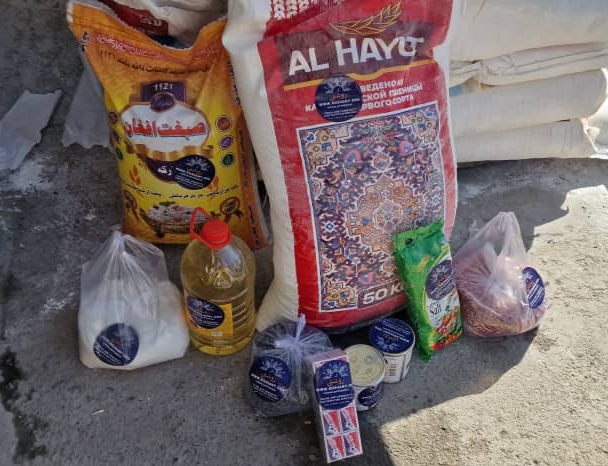
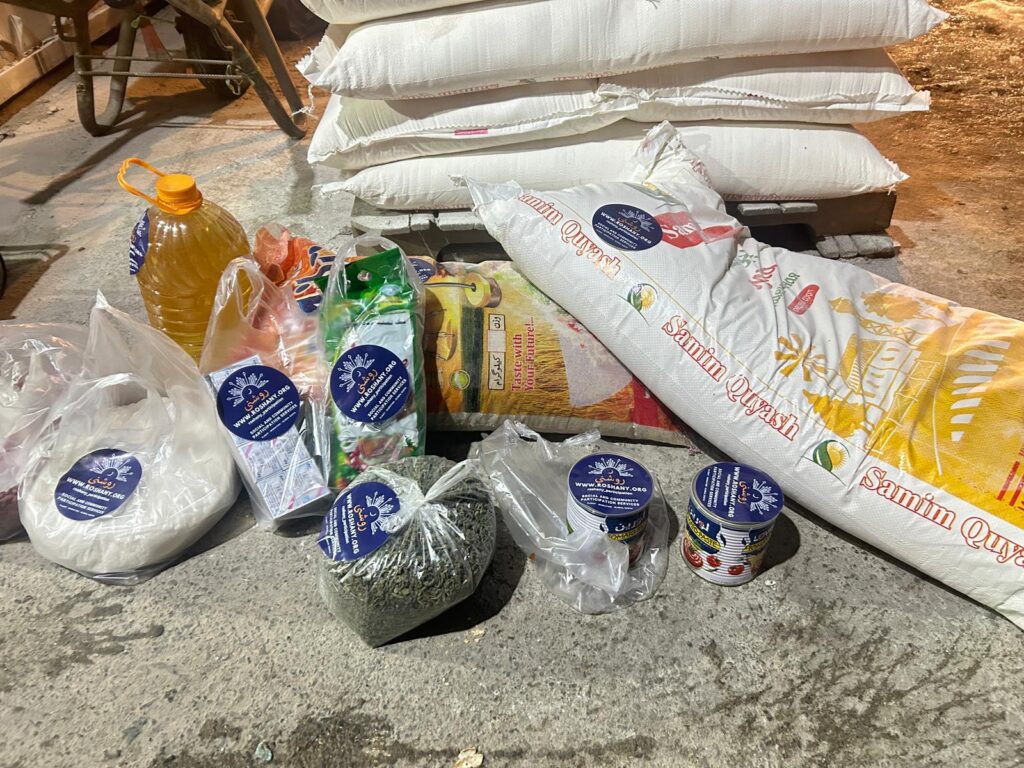
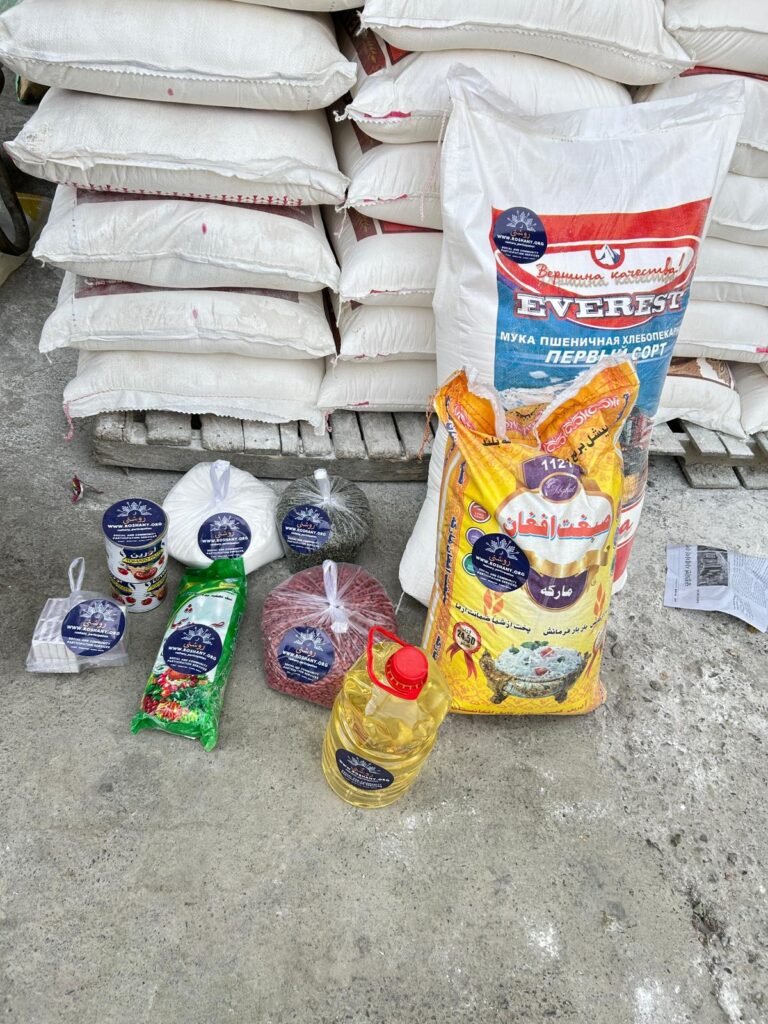
To help improve the food situation, Roshany organization launched donation appeals for food packages in 2024 and 2025 and organized several charity activities. Donations enabled the distribution of eight food packages, each providing food for a month to impoverished female‑headed households and families with persons with disabilities or severe chronic illnesses.
Families often ration the packages so that they last for several months. The food items were purchased and distributed by Roshany staff on the ground — supporting both vulnerable families and the local economy.
Contents of a food package:
50 kg flour
22 kg rice
2 kg tomato paste
3.5 kg sugar
1 kg green tea
1 kg salt
3.5 kg beans
5 l oil
4 large boxes of matches
Transport is usually included. Only in cases of very long distances were additional transport costs required.
From this initiative, a further project emerged: supporting the establishment of a small grocery store through a micro loan.
Fundraising
In June 2025, Roshany launched a fundraising campaign to support the founding of a grocery store in Afghanistan. Together with a cooperation partner in Kabul, the concept was further developed. The partner — unemployed since 2021 and responsible for a wife and four children — was to receive a micro loan to open a grocery store and earn a small, steady income.
Get Together
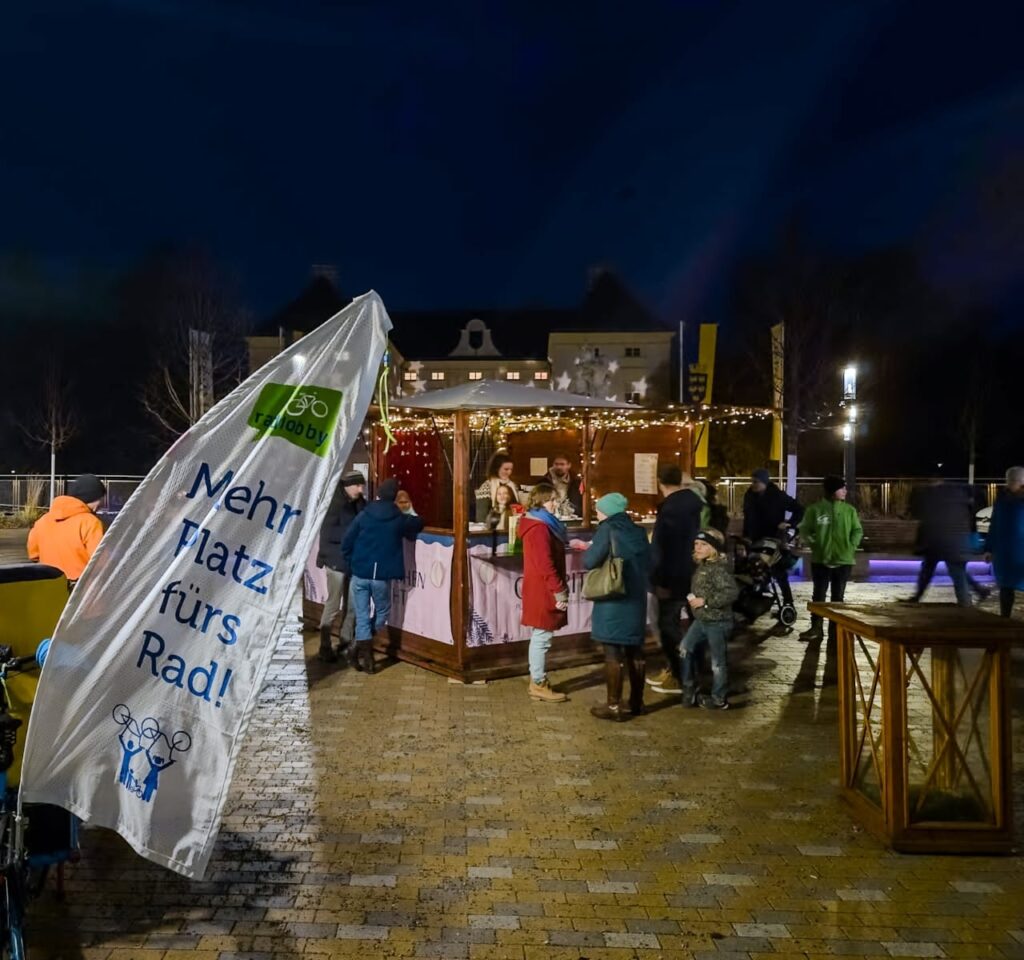
As part of the fundraising efforts for the micro loan, Roshany organization organized a Get Together with tea and coffee in the park within the framework of the UNHCR „Long Day of Flight“ 2025. Small Arabic, Afghan and Austrian snacks were served.
The gathering provided an opportunity to report on the humanitarian situation in Afghanistan and place it within the broader global context of displacement. We explained how natural disasters, poverty and the mass deportations of Afghan refugees from Iran and Pakistan intensify the crisis — and how such factors create or reinforce displacement.
In line with the purpose of the Long Day of Flight, connections were drawn to past and current global displacement movements:
- to the Displaced Persons after 1945,
- to the global refugee movements of 2015,
- and to developments in 2025.
In 2025, over 122 million people worldwide are forcibly displaced, 41% of them children. Sixty‑seven percent of all refugees live in neighboring countries — often under precarious conditions. Afghanistan is one such example: 5.2 million Afghans live in neighboring countries as refugees or asylum seekers. In 2025 alone, 2.5 million Afghans were forced to return from Pakistan and Iran — back to a country where millions depend on humanitarian aid for survival.
The proceeds from the Get Together directly supported the grocery store project.
Establishment
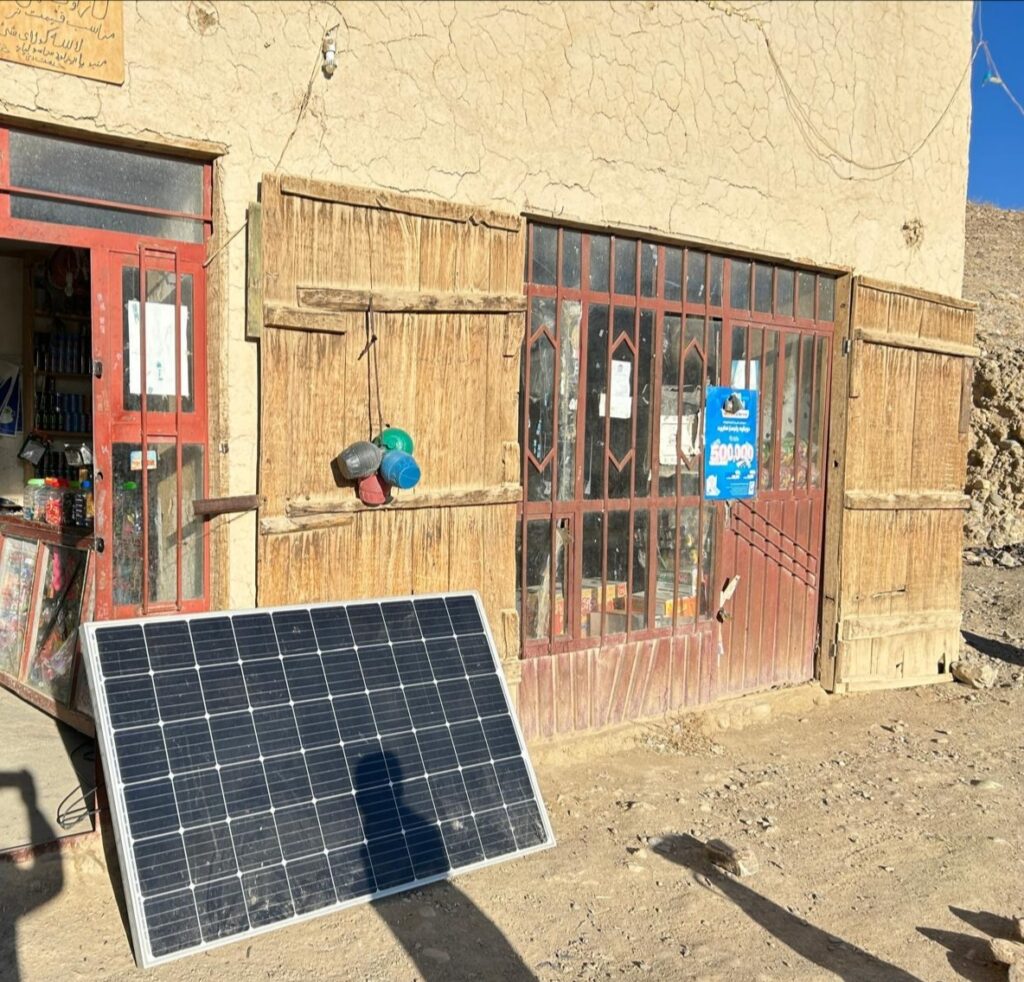
By the end of 2025, the fundraising goal of € 2,500 had been reached. Originally, the store was to be opened in Kabul, but due to high rent prices, a suitable location was found in Maidan Wardak Province, Chak District — about 1.5 to 2 hours from Kabul. The family was able to relocate.
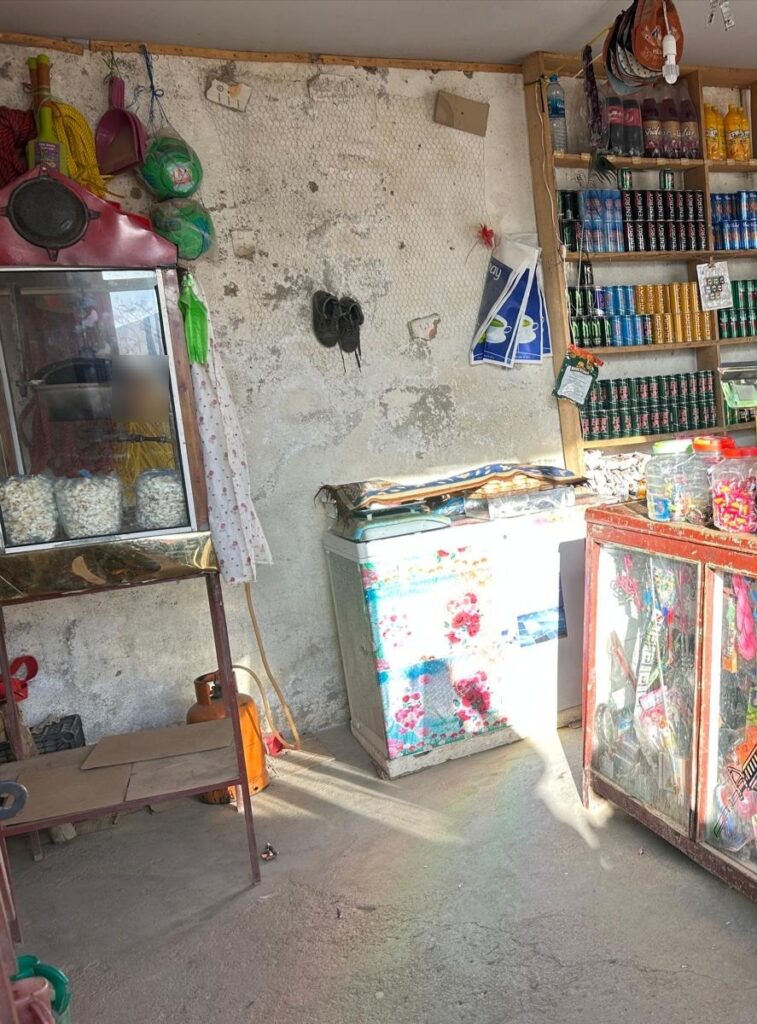
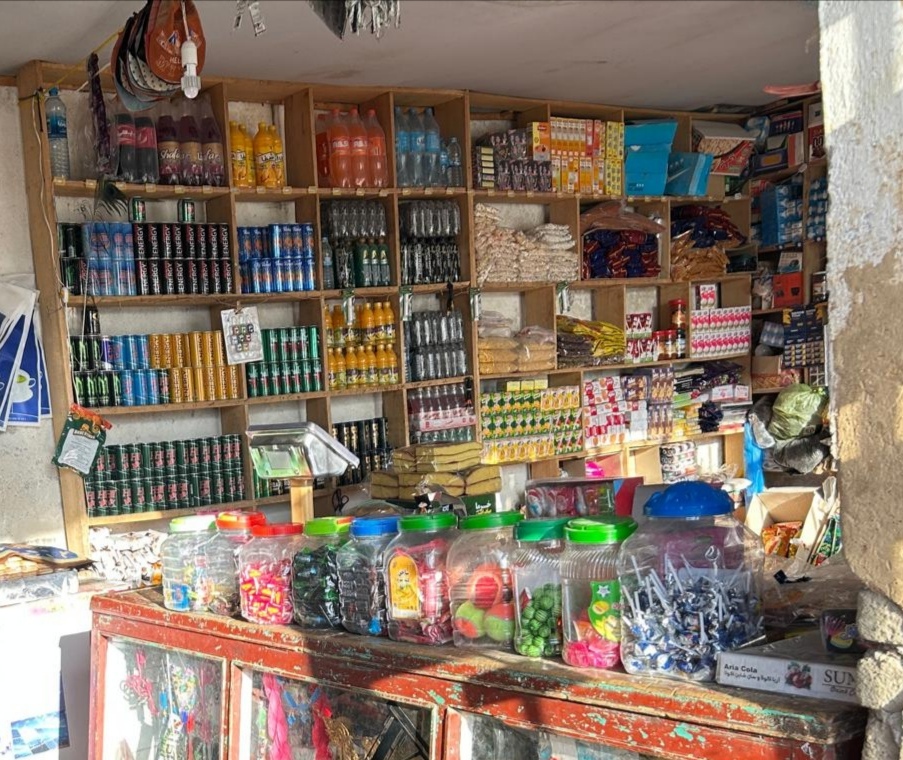
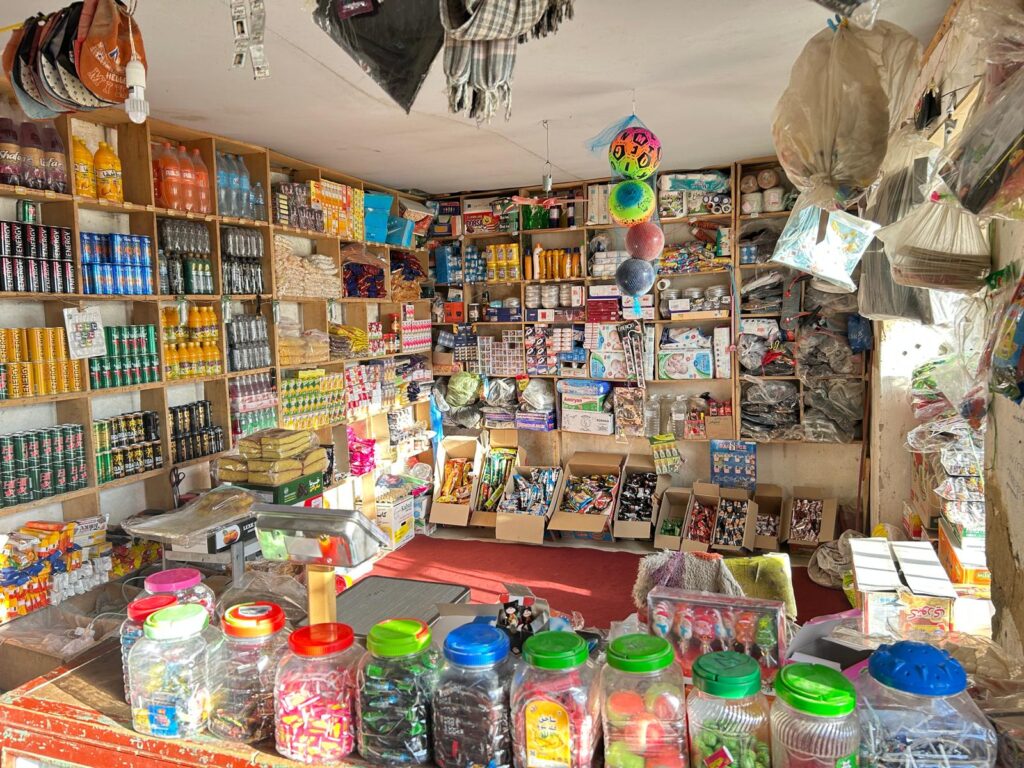
The cooperation partner built the store’s interior himself and installed a solar panel to generate electricity. The store’s assortment includes groceries and everyday household items. The family also purchased a popcorn machine to produce popcorn on site. Cookies are also homemade by the wife — both products are very popular among customers. A special highlight is the selection of children’s toys.
The store is open daily from 7 am to 8 pm, except on Fridays. Around 300 people in the area are supplied through the store, with 20 to 50 customers visiting each day.
Repayment
Part of the store’s profit supports the family, while another part goes toward repaying the micro loan through a social repayment model:
- Repayment is made in the form of food packages.
- The cooperation partner delivers the packages at his own expense to households in need.
- Roshany organization provides the list of recipients (female‑headed households; families with disabilities or severe chronic illnesses).
- Reports, receipts and photos of the handovers serve as proof.
- Roshany organization may conduct unannounced spot checks and report on the project as part of its public relations work.